
Differences Between Metal Bassoon Shapers and 3D Printed Bassoon Shapers
Curious why one would purchase a 3D-printed bassoon shaper? Bassoonist Amelia Walker is here to provide answers to the differences between metal bassoon shapers and 3D-printed bassoon shapers and explain when in your reed-making journey it is best to purchase either one.
3D Printed Bassoon Shapers
Now, if you are starting your reed-making journey or are interested in experimenting, 3D-printed bassoon shapers are the more affordable choice. 3D-printed bassoon shapers are not as durable as metal bassoon shapers. They are made with a PLA filament, which is very rigid and does not bend easily! However, it is important to note that PLA filament can become more brittle over time due to exposure to moisture and UV exposure. (So make sure to dry them after use and avoid placing them in direct sunlight!)
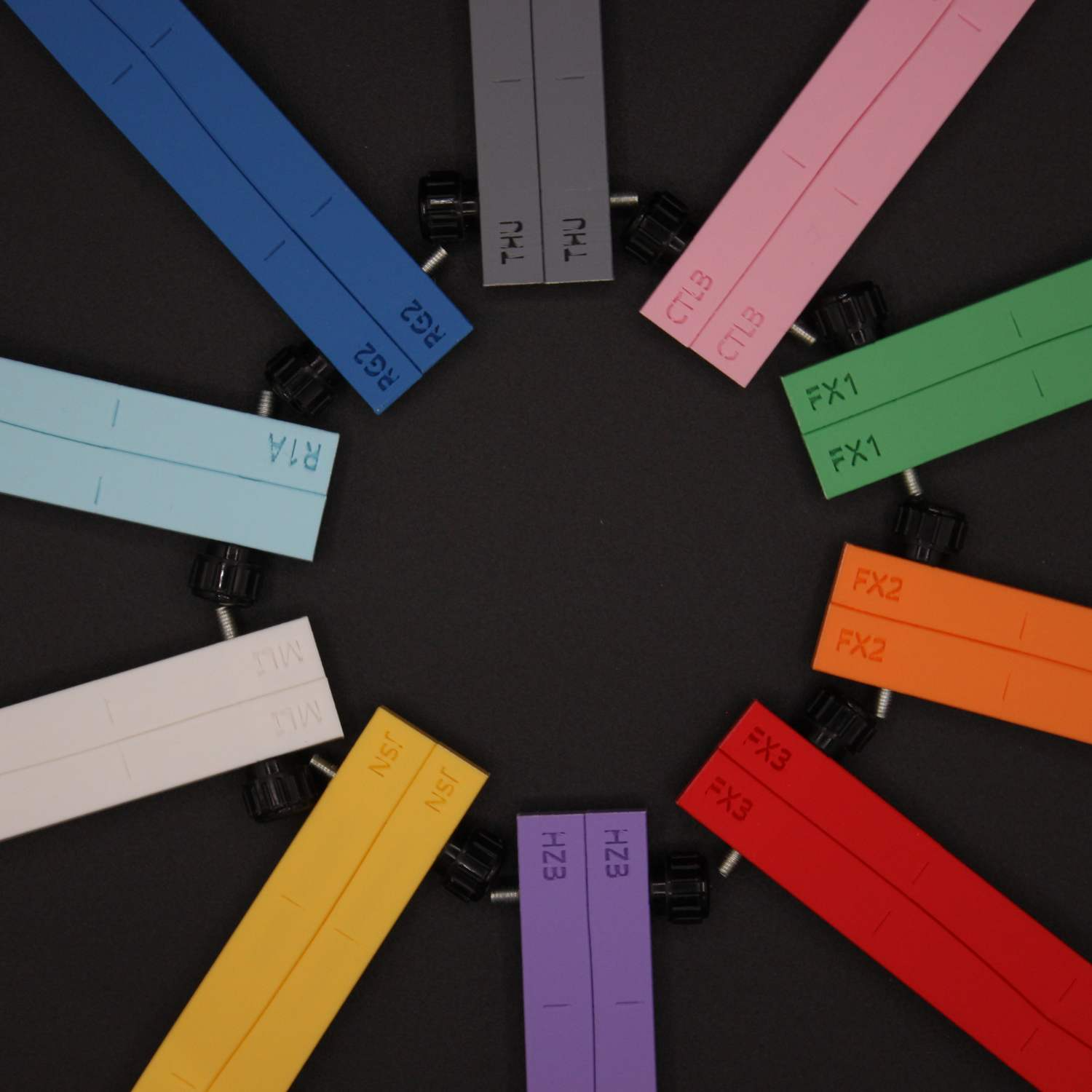
Not Sure What Shape to Start With?
“One can get lost having so many choices—indeed I have”- Eric Arbiter, The Way of Cane
Arbiter’s statement is indeed true, but here are a few suggestions on where to start with reed shapes:
- If you're playing on a handmade reed, check with the reed maker what shape they are using.
- Rieger 1A and Herzberg are among our most commonly sold shapes. Rieger 1A and Herzberg are known as concave reed shapes, also known as Knochenhauer shapes. Usually, these types of reeds are less resistant, have a brighter tone, and a higher pitch. These types of reeds are known to be better for the higher range and faster articulation.
- Barton Cane is an excellent source to see the differences between the shapes.
Metal Bassoon Shapers
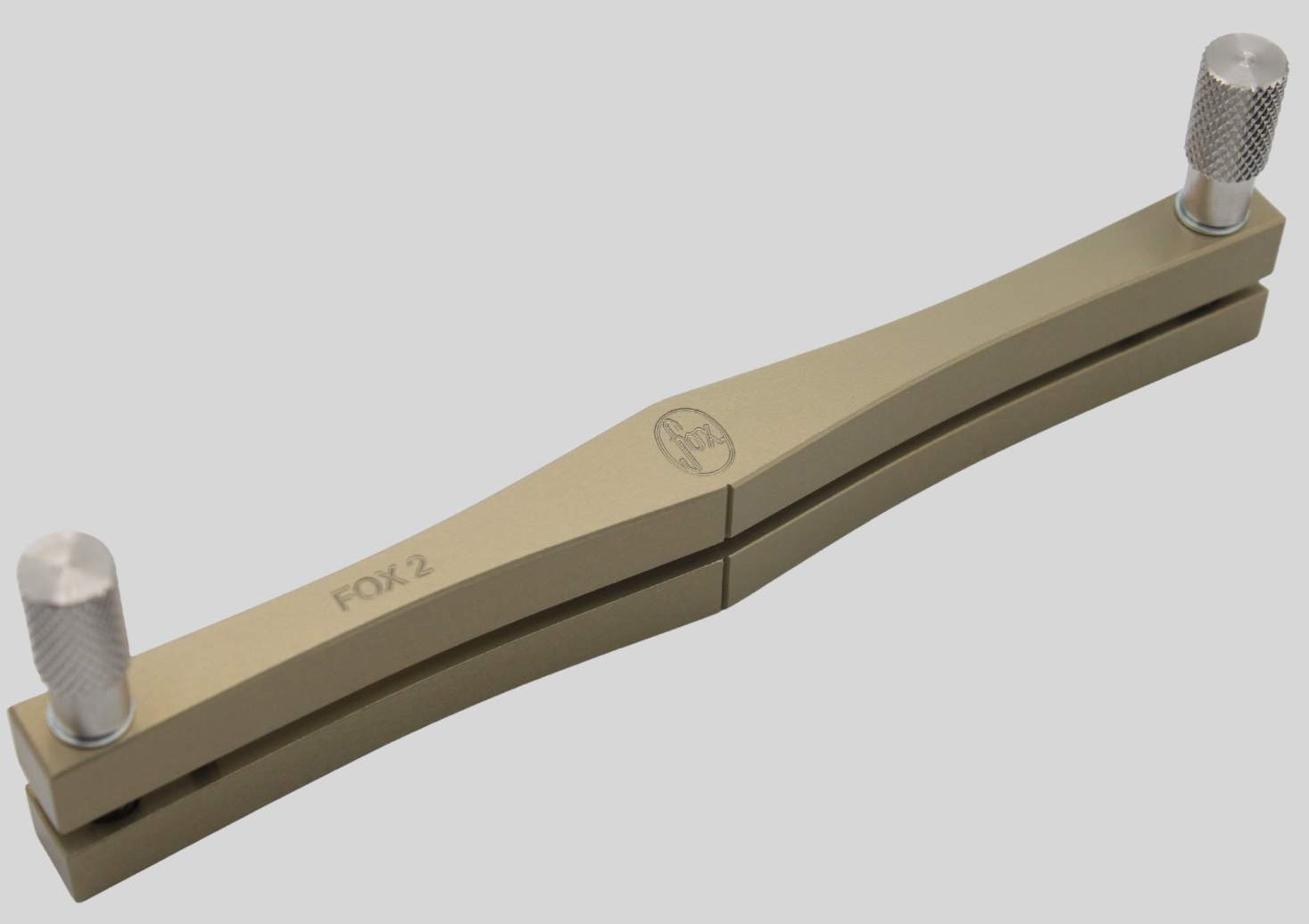
Metal bassoon shapers are significantly more expensive, but last forever, and are great if you already know what shape you want. They often cost over $200 Canadian dollars, so it is an investment. When purchasing a metal shaper, you should be certain of the shape of reed you like to play on. Knowing what type of reed shape you like to play on is typically learned by trying different bassoon reed shapes out. If you’re in a large city and connected to the larger bassoon community, it’s possible to connect with players who have shapers and try out shapes that way. Trying out different reed shapes can be harder for individuals from small towns or those who have not yet connected with the larger bassoon community.
Metal shapers are also typically made with hardened aluminium or steel, making them more durable and longer-lasting. Metal shapers can last for years! If you are certain of what type of shape you enjoy playing on, then a metal shaper is the correct purchase for you.
Currently, Reed Supplies Canada carries the Fox 2 Metal Bassoon Shaper. The Fox 2 shape is similar to the Rieger 1A shape and is almost a Knockenhauer shape (the Knockenhauer Shape is a reed shape composed of only curves). However, the Fox 2 shape has a short straight segment near the tip. As stated above, Knockenhauer shapes (so Fox 2 shape) typically are less resistant, have a brighter tone, and a higher pitch.
Conclusion
Depending on where you are in your reed-making journey, it may be a better choice to get a 3D-printed bassoon shaper or a metal bassoon shaper. For individuals interested in experimentation, 3D-printed bassoon shapers are the perfect choice! For someone certain on a reed shape they like, the metal bassoon shaper is ideal.
I hope this article will help with the decision on whether to purchase a 3D-printed or metal bassoon shaper. If you are interested in purchasing a metal shaper in the style you love, you can contact us at info@reedsuppliescanada.ca to special order a straight or folding shaper.