
What Oboe Reed Should I Get?
Feeling daunted by the number of oboe reed options available on the market? Look no further! In this article, oboist Anna Betuzzi will walk you through your options, so you can find the best fit for your personal circumstances and experience level.
After all, oboe reeds are incredibly personal. If you’re not able to make your own reeds, the best thing you can do for your playing is to buy a reed that’s well suited to you!
Help! There are too many options!
If you’re not sure which option to pick, you can always try a couple different reed brands and see which one works the best for you.
Every reedmaker’s reeds are unique, and a reed that’s not a good fit for someone else might work perfectly for you, and vice versa. Some players like more resistant reeds, others less resistant, and everyone’s embouchure is unique, which will give you a different result than someone else even on the exact same reed.
In your search for the ‘perfect’ reed for you, be sure to keep an open mind. Don’t be afraid to experiment!
Best Oboe Reed for Beginners
For beginners, we recommend picking a handmade oboe reed. Handmade reeds have stable intonation and predictable response, which encourages a beginner to play using the correct embouchure and air support from the start.
Here’s a few options from the handmade reeds we carry:
Allison Pillon’s reeds are very light, meaning there is little to no resistance before a sound is produced. While they do require a little bit of embouchure pressure to play, they hardly require any air pressure. We’d recommend them for beginners who prefer a lighter reed.
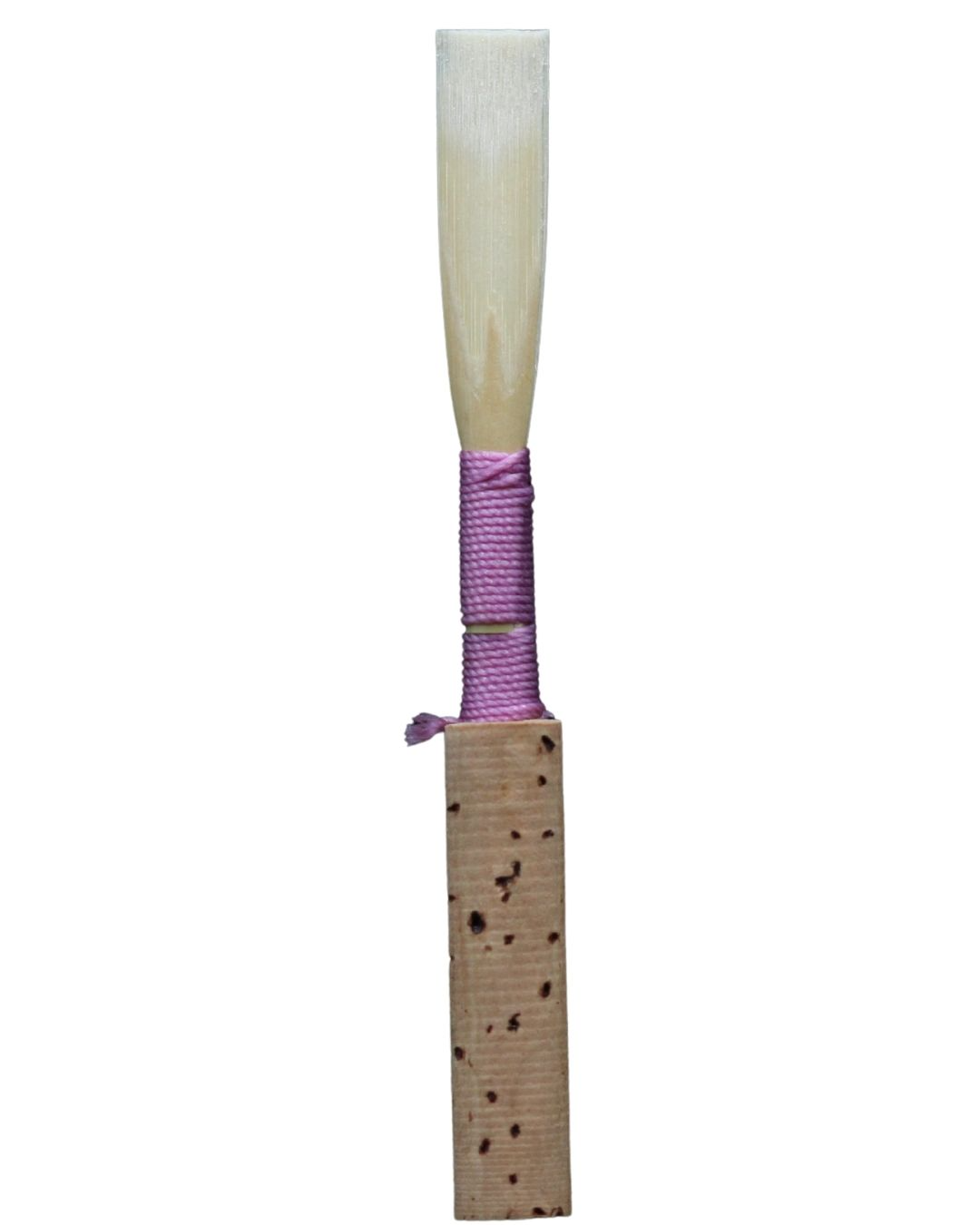
Treasure State’s reeds are a bit more resistant, however their intonation is very stable. This means that it takes a bit more air pressure to make the reed play, but they hardly require any embouchure pressure. We’d recommend them for beginners who prefer a medium reed, or for players who are new to the oboe but have prior experience with other wind instruments.
Best Intermediate Oboe Reed
For intermediate players, we suggest picking a handmade reed. To support your development as an oboist, having a reed with good intonation and response in all registers is vital. Playing handmade reeds will also help you to hone and refine your sound, as you won’t need to spend energy controlling an unstable reed.
Here are some options for handmade reeds well suited for intermediate players:
- Treasure State’s reeds are stable and respond well on both low and high notes. They also boast a big dynamic range, which is great for anyone who plays in a band or orchestra.
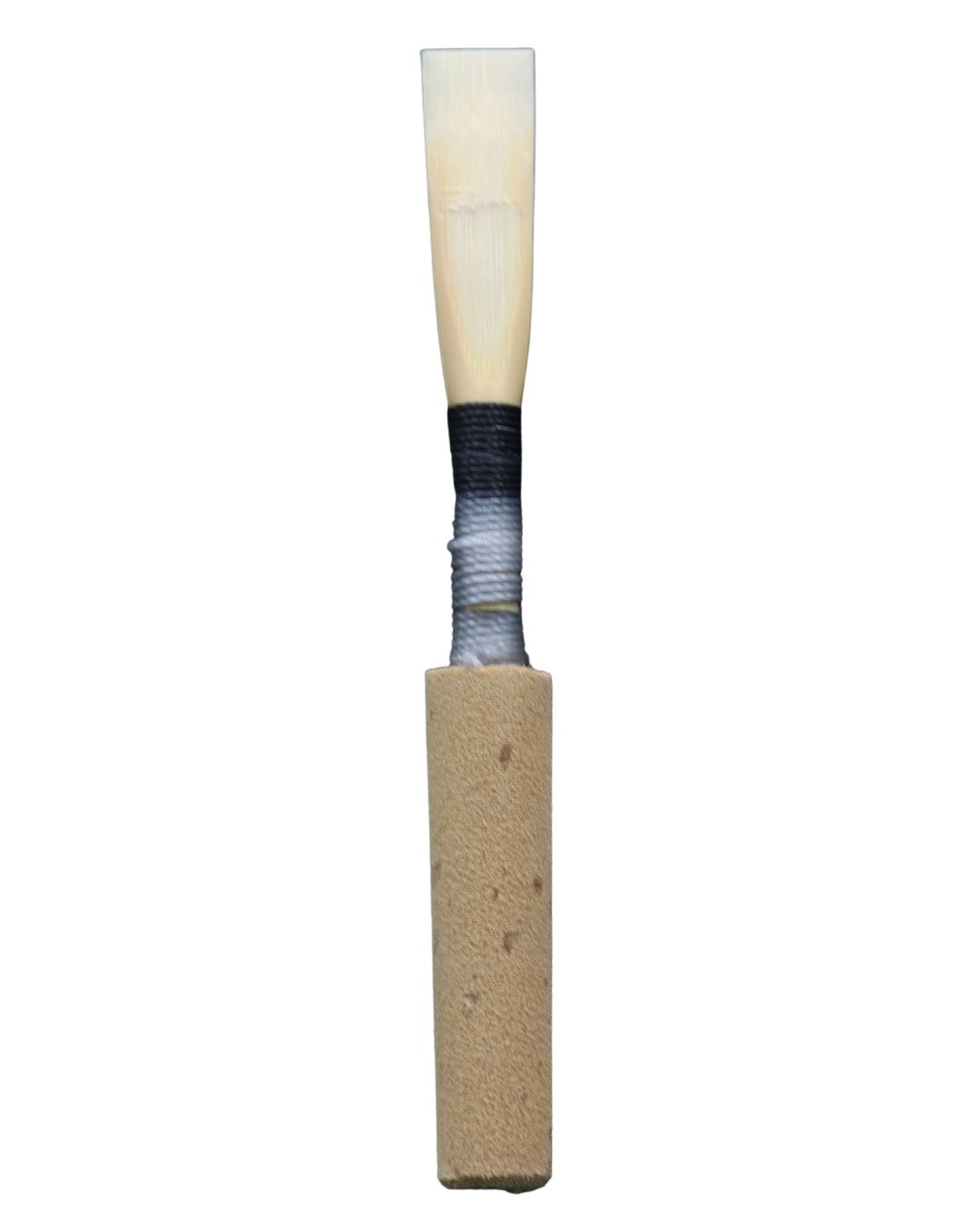
- Anna Betuzzi’s reeds are also stable and respond well in all registers. They are a medium resistance, which helps you build stamina without being too tiring, and also gives the reed a more refined sound.
- Julie Paul’s reeds are very similar to Anna Betuzzi’s. They have stable intonation and reliable response, and are also medium resistance with a refined sound.
Best Oboe Reed for Amateurs/Hobbyists
For anyone who plays the oboe for the joy of it: we recommend picking a reed that makes playing the oboe enjoyable!
The reed you pick will depend a bit on how often you play, and how strong your embouchure and air support muscles are. If you don’t play very often, try a light or medium resistance reed. If you play at least a couple times a week, try something with stable intonation and response, so that you can focus all your energy on music making.
To help you decide, here’s some of the unique characteristics of the handmade reeds we carry:
- Treasure State’s reeds are medium resistance and have a big dynamic range
- Anna Betuzzi’s reeds are stable, respond well in all registers, and have a refined sound
- Julie Paul’s reeds have stable intonation and response in all registers, and a refined sound
We recommend giving a couple a try to see which you like best!
Best Oboe Reed for Doublers
For doublers, we suggest picking a handmade reed, as they will have stable intonation and reliable response: characteristics that are vital for players who need to play more than one instrument!
To help you decide on one or two to try out, here’s some of the unique characteristics of the handmade reeds we carry:
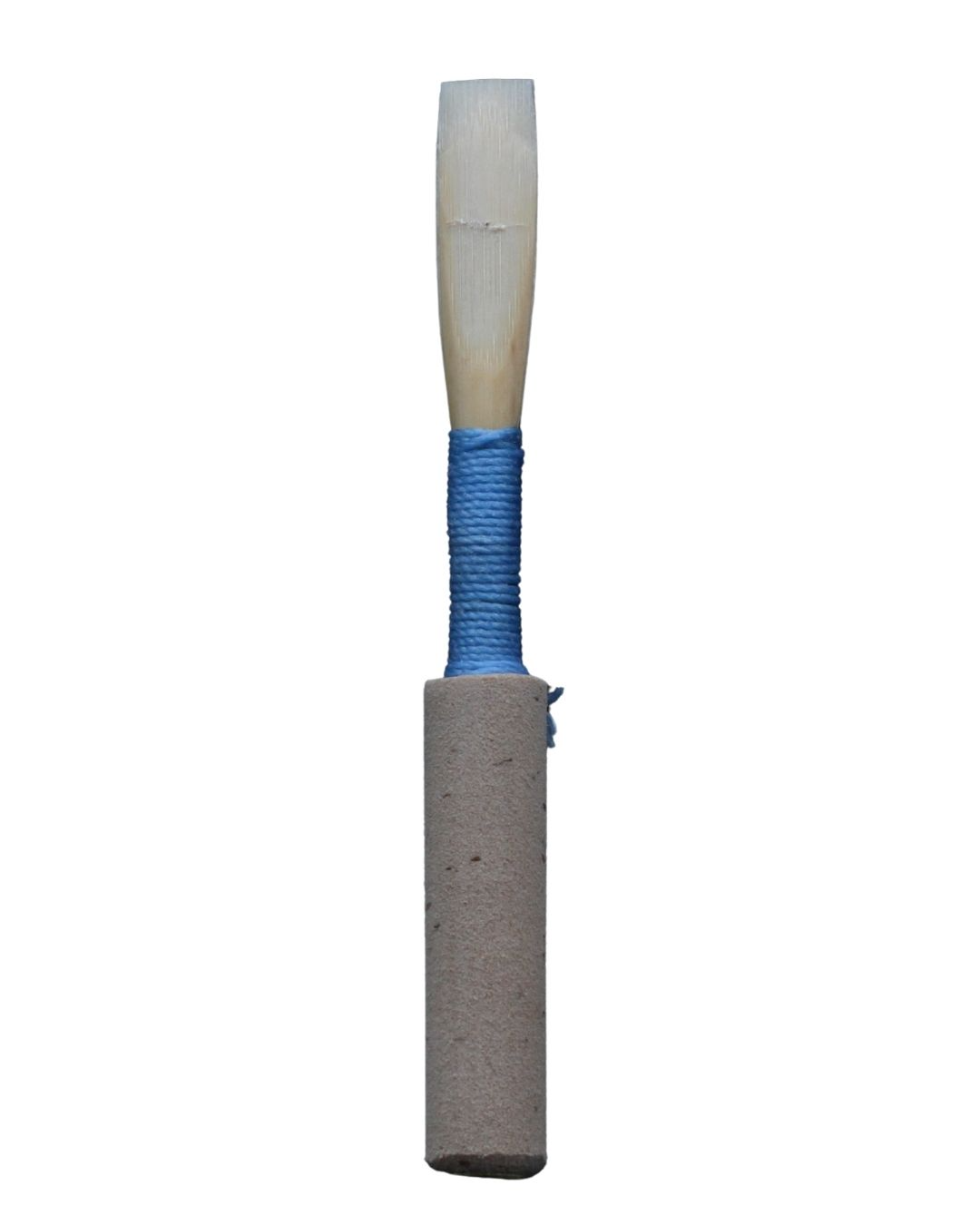
Allison Pillon’s reeds are light and easy to play on
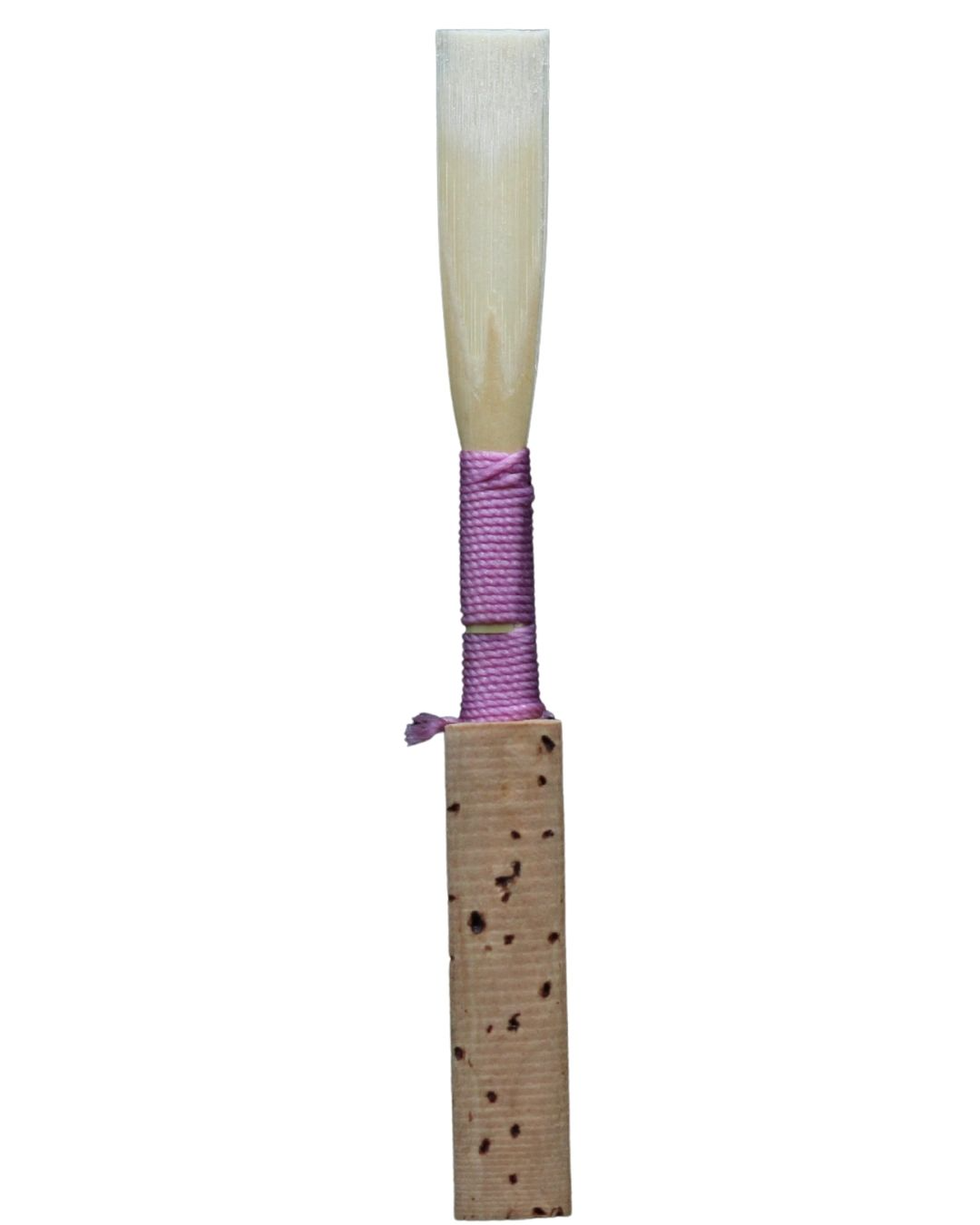
Treasure State’s reeds respond well in all registers and have a big dynamic range
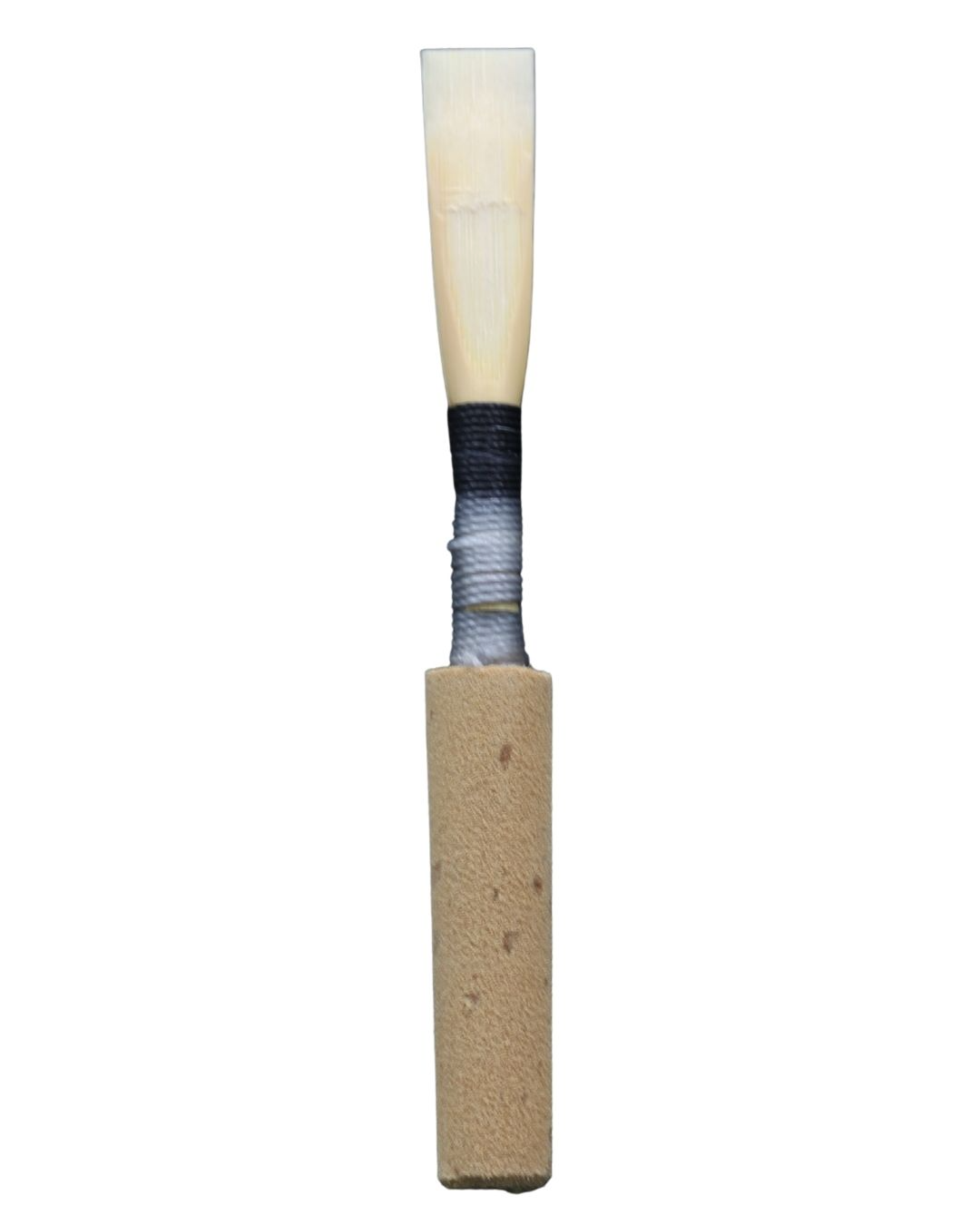
Anna Betuzzi’s reeds respond well in all registers, and have a refined sound
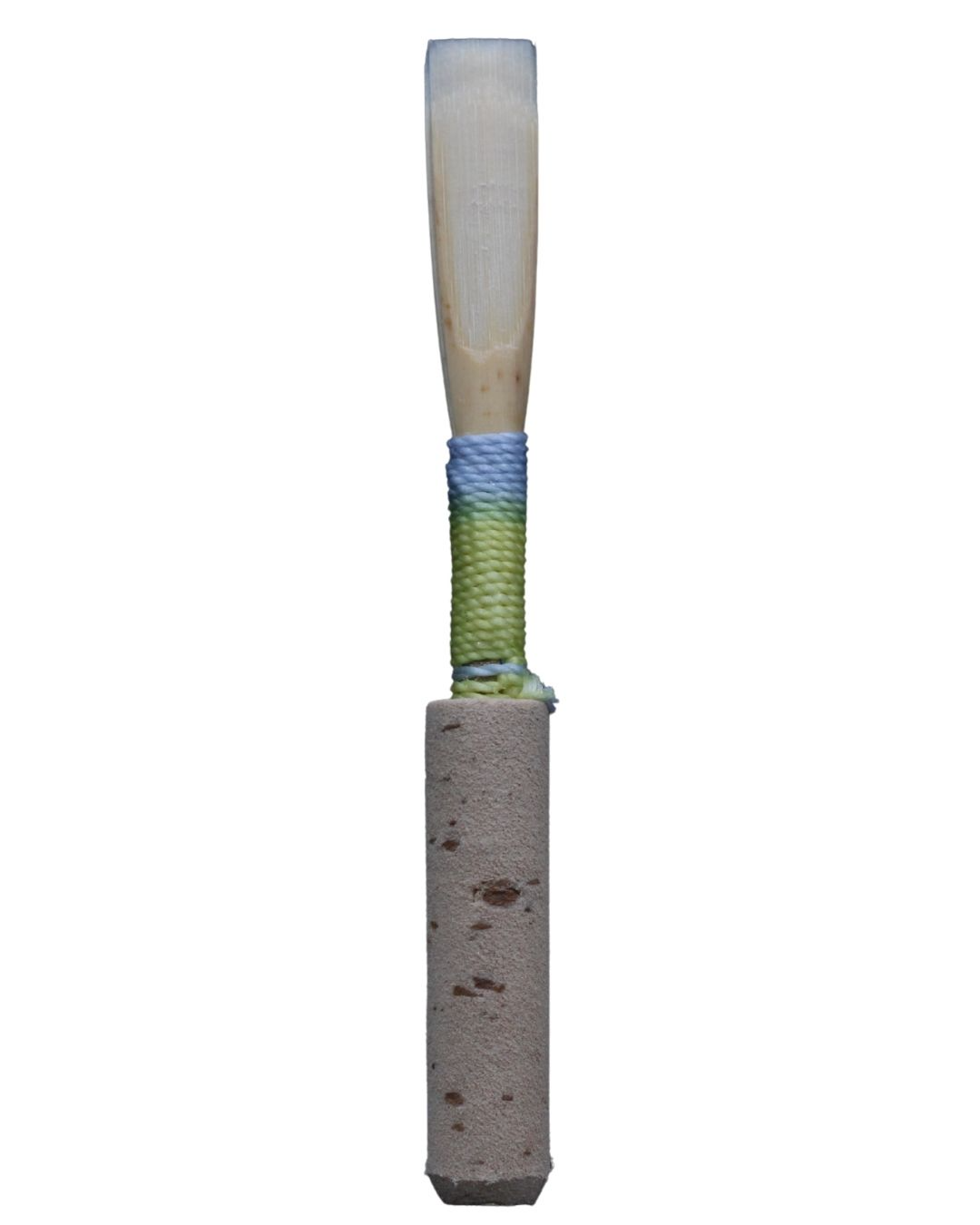
Julie Paul’s reeds have stable intonation in all registers and a refined sound
We recommend giving one or two a try to see which you like best!
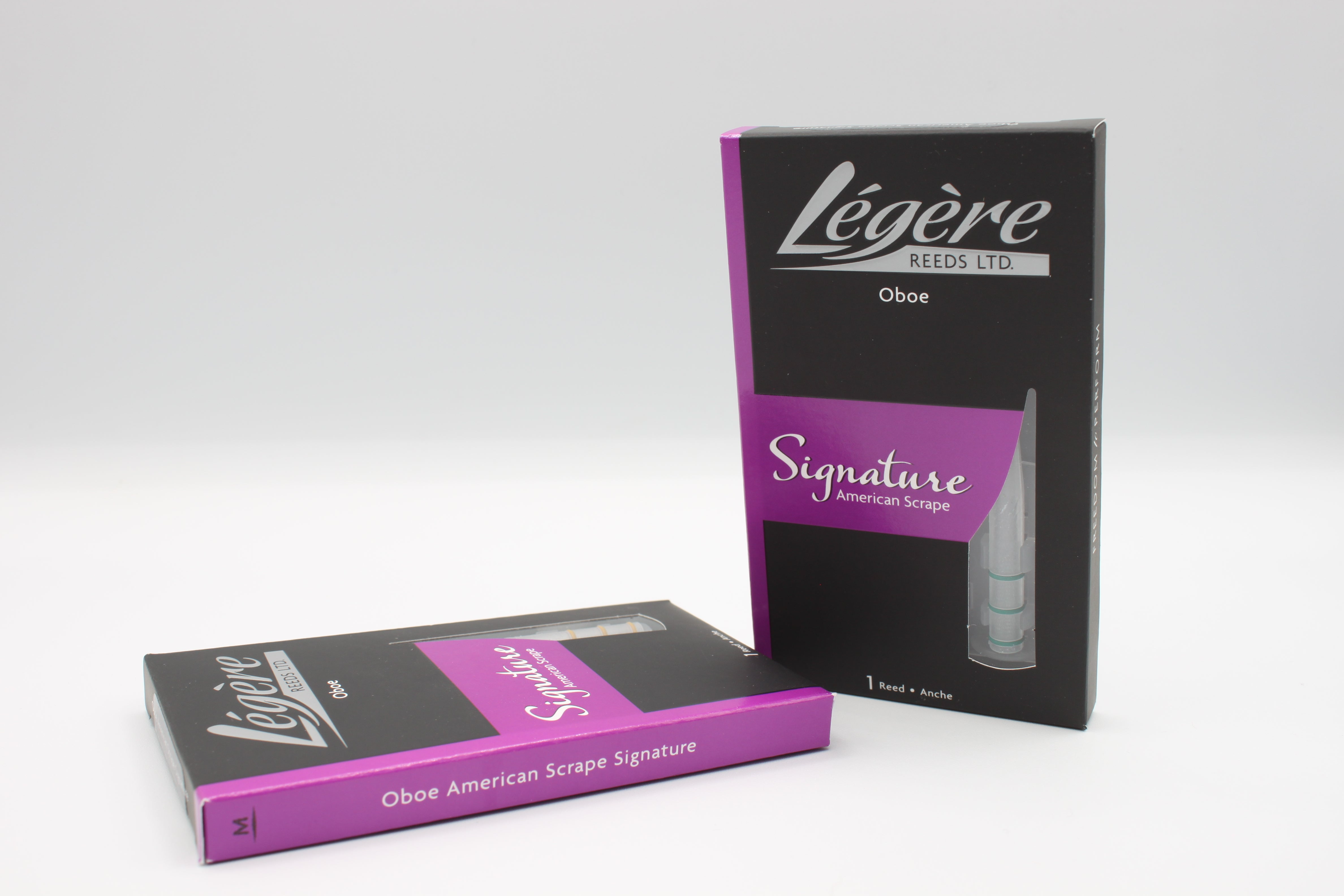
Another option for doublers who are willing to make the investment is the Légère synthetic reed. Since these reeds are synthetic, they last much longer than traditional cane reeds. They also do not require any soaking time, making them great for fast changes between oboe/English horn and other instruments. While you will not be able to adjust them like cane reeds, any player looking for consistency and predictability could be pleasantly surprised by Légère reeds.
Best Advanced/Professional Oboe Reed
For advanced players and professionals, we recommend trying a reed made by a professional oboist, such as those by Anna Betuzzi and Julie Paul.
These reeds will help you to refine your sound and unique playing style. As they are stable and respond well in all registers, they allow you to focus on the details of the music and express yourself fully.
For a playing experience that lets you focus on what’s important to you and your music-making, try a handmade reed by a professional oboist!
Best Budget Oboe Reed
For players on a budget, we suggest trying Renard oboe reeds. They are factory-made, so while they may not sound as good as a handmade reed, they are less expensive. Renard would also be a good option for players who are prone to breaking reeds, or anyone who wants to give the oboe a try before fully committing.
The medium soft version of Renard reeds would also work well for a very young beginner, as only a small amount of air pressure is required in order to produce a sound.
If you’re on a tight budget, give Renard reeds a try.
Best Oboe Reed for Outdoor Gigs
Playing outdoors can have its challenges, notably the unpredictable weather conditions! Rapidly changing temperature and humidity can make your wooden reeds feel different from one moment to the next. Enter: the Légère Synthetic Oboe Reed!
As Legere reeds are fully synthetic, they are not affected at all by changes in temperature and humidity. They will respond and sound the same no matter how hot, cold, dry, or rainy it is.
(As a side note, take extra precaution if you are playing a wooden oboe outdoors! Better yet, borrow a plastic oboe to use for outdoor gigs to avoid damage to your wooden instrument.)
If you’re looking for something reliable and predictable to play outdoors, the Légère reed is for you.
Conclusion
As you can see, there are a wide variety of oboe reeds available, each with their unique characteristics and advantages. Every oboist’s circumstances are different, including their experience level, budget, embouchure, needs, and preferences.
I hope this guide has given you some ideas of new reeds to try, according to your unique situation. Again, feel free to experiment and try a couple different reeds to find the one best suited to you!
Looking for a personalized recommendation based on your situation? Let us know below, or send us an email at info@reedsuppliescanada.ca!
0 comments