
Hearing Protection for Musicians
A Comprehensive Guide
Calling all musicians of all genres! Whether you play classical, jazz, rock, pop, or any other genre of music, this article is for you. Protecting your hearing is essential if you want to enjoy making music for years to come.
In this guide, oboist Anna Betuzzi will explain why hearing protection is so important and walk you through the wide variety of hearing protection products available on the market. We’ll also cover some factors that can aggravate hearing damage, which can help you decide when exactly to wear earplugs. Additionally, my other team members at Reed Supplies Canada will share their own experiences with earplugs and hearing protection in general.
Read on to learn more about this important topic!
Why Wear Hearing Protection?
Hearing protection helps reduce (and even prevent) hearing damage. Hearing damage is essentially any damage to the tissues of the inner ear. It can be caused by exposure to loud noise, and it also naturally occurs as a result of aging. Hearing loss is the result of hearing damage, and it means a reduction (up to a complete loss) of hearing function.
Hearing damage is irreversible. It is also cumulative, meaning it adds up over time. I say this not to scare you; rather, I want to emphasize the importance of taking care of your hearing consistently over time.
Whether you are an amateur or professional musician, hearing protection is an investment in your future. Small or short exposures to loud noise add up over time. Personally, I don’t want to risk my ability to enjoy making music later in life, even if it means wearing earplugs more often.
Different Types of Hearing Protection
Hearing protection can be broken into two types: earplugs and acoustic shields.
Acoustic shields, also known as sound barriers, are used by many ensembles. They are often used to protect musicians seated near brass and percussion instruments. These barriers are essentially a piece of clear plexiglass that reflects some of the harmful sound waves away from the affected musician.
While acoustic shields can be effective at reducing some of the impact of these loud sounds, they don’t provide the same 100% protection that earplugs provide. The sound shield does need to be placed close to a musician’s head in order to be effective, and the musician also needs to sit relatively still in order to enjoy the benefits of the shield. So while an acoustic shield can be a good alternative if you’re not able to wear earplugs, or an extra layer of protection in addition to earplugs, you’re still better off adding earplugs to your setup if you can.
Getting Used to Wearing Earplugs
I know that some earplugs can be uncomfortable. Especially for wind musicians, playing an instrument while wearing earplugs can feel as though you are playing underwater. As well, musicians are often concerned that they cannot hear themselves properly while wearing earplugs, let alone hear the other members of their ensemble.
However, with time, you can become accustomed to playing while wearing earplugs. Essentially, you need to re-learn how to listen while wearing the earplugs, which takes time. Here’s some steps I recommend in order to get used to playing with earplugs in:
1. Try wearing them for 10-15 minutes per day while doing chores around the house. This will help your ears get used to the sensation. Repeat every day until you forget you’re wearing earplugs.
2. Wear earplugs during your personal practice sessions. Start with just 5 minutes per day, then increase the amount of time gradually until you can tolerate wearing them over the majority of a practice session. Get used to how you sound while wearing the earplugs, so you know what to expect once you wear them in an ensemble.
3. Finally, start wearing earplugs at your ensemble rehearsals. This step is the most critical, as ensemble environments have a higher risk of hearing damage. Again, you can try wearing them for a short period at first, then gradually increase the time.
I would also recommend ensuring that your earplugs have a good fit. Similar to headphones, many brands of earplugs come with different-sized tips. Your earplugs should stay in place while shaking your head (to ensure your ears are adequately protected), but they shouldn’t be so tight that they’re uncomfortable. You can always try a different brand if you haven’t found something that works for you, or even invest in custom molded earplugs to ensure a perfect fit.
When Should I Wear Earplugs?
To understand when and where to wear hearing protection, it’s important to understand what factors increase the risk for hearing damage. Here are some to consider:
- The decibel level of the sound; in other words, how loud the sound is. The louder the sound, the higher the risk for damage.
- The sound’s duration. A longer rehearsal/concert carries a higher risk for damage.
- Repeated exposure over time also adds up.
- The sound waves’ direction and proximity. In other words, sitting directly in front of a trumpet is more risky than sitting further away behind one.
- Extremely high frequency pitches, such as the high register of the piccolo or violin, could cause more damage, especially when combined with other factors like volume, duration, or proximity.
Therefore, when considering whether to wear earplugs for a specific occasion, be sure to consider whether there are any factors that could increase your risk for hearing damage. For example, if you are playing in a large ensemble such as a band or orchestra, the volume will automatically be louder than if you were playing in a quintet or other chamber music context. Also, consider whether you sit right in front of a louder instrument such as a brass or percussion instrument. The specific repertoire or piece of music you are playing can make a difference too, as some pieces are simply louder than others.
You should also consider bringing earplugs when you attend a concert as an audience member!
Also, be sure to consider other contexts besides music. Personally, I also wear my earplugs whenever I travel on the subway or by plane. While these sound levels may not be quite as loud as a concert, depending on your travel habits, the duration of the exposure can be much longer and/or more frequent, which does increase the risk for damage.
If you’re ever in doubt, it’s always safer to wear earplugs than not.
The RSC Team’s Personal Thoughts on Earplugs
Brittany:
On what earplugs she uses:
“I use custom-molded musician's earplugs that I got from an audiologist. I'd highly recommend them. They last forever. I've had mine since grade 11 or 12, so well over 10 years old, and they still work great.
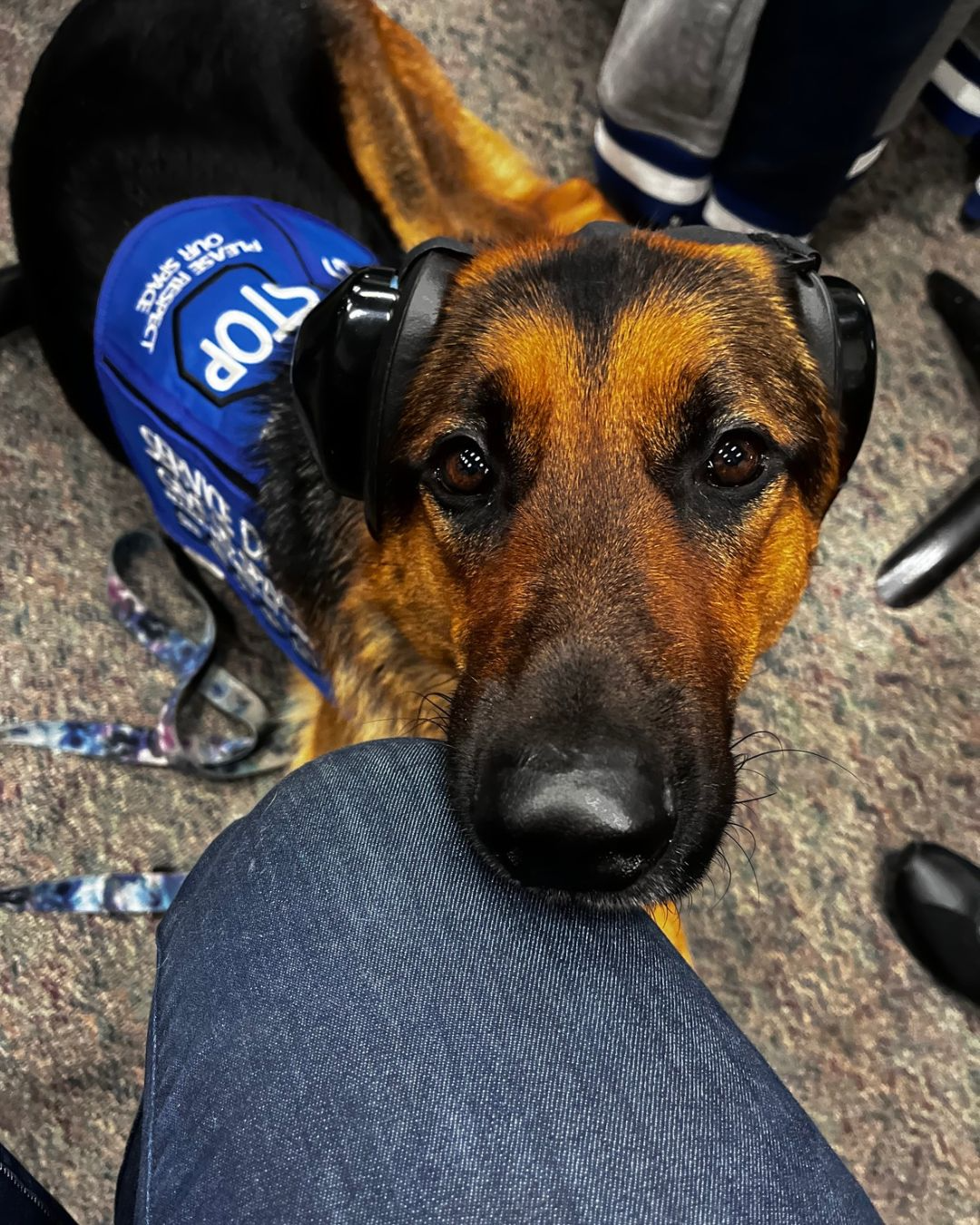
My service dog also wears ear protection when he comes to band and orchestra rehearsals. Everyone always comments on how cute or funny he looks, but he needs the protection just as much as I do to ensure his career isn’t cut short. Dax currently uses Mutt Muffs, we’ve also tried Rex Specs’ Ear Pro, and both are great.
Anna:
On what earplugs she uses:
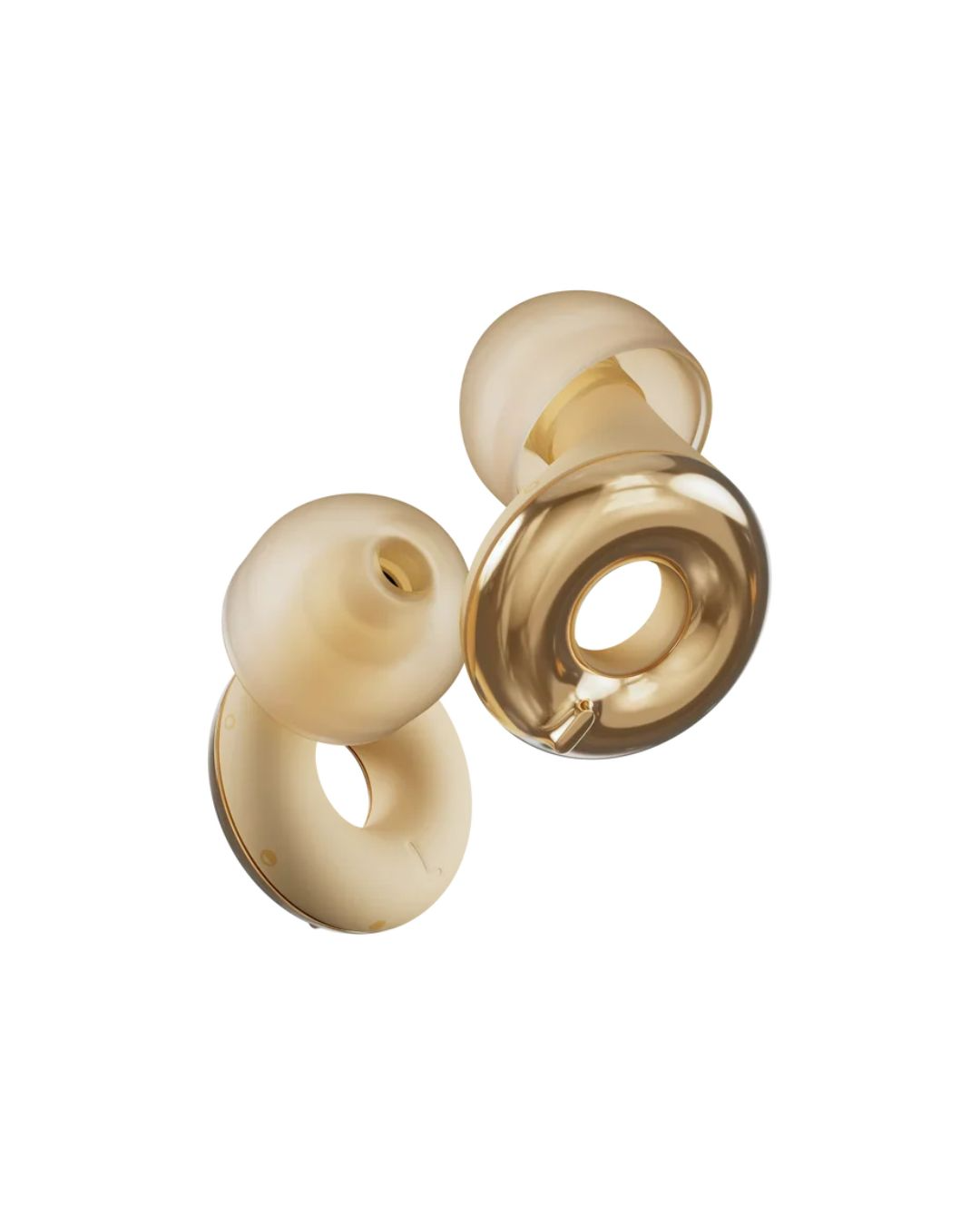
“I use Loop earplugs, which in my opinion offer good protection balanced with sound clarity. They offer three levels of sound filtration, so you can customize based on what context you plan to use them in. I find them comfortable, and they allow me to hear well even in an orchestral context. Plus they come in a variety of cool colours!”
Amelia:
On what earplugs she uses:
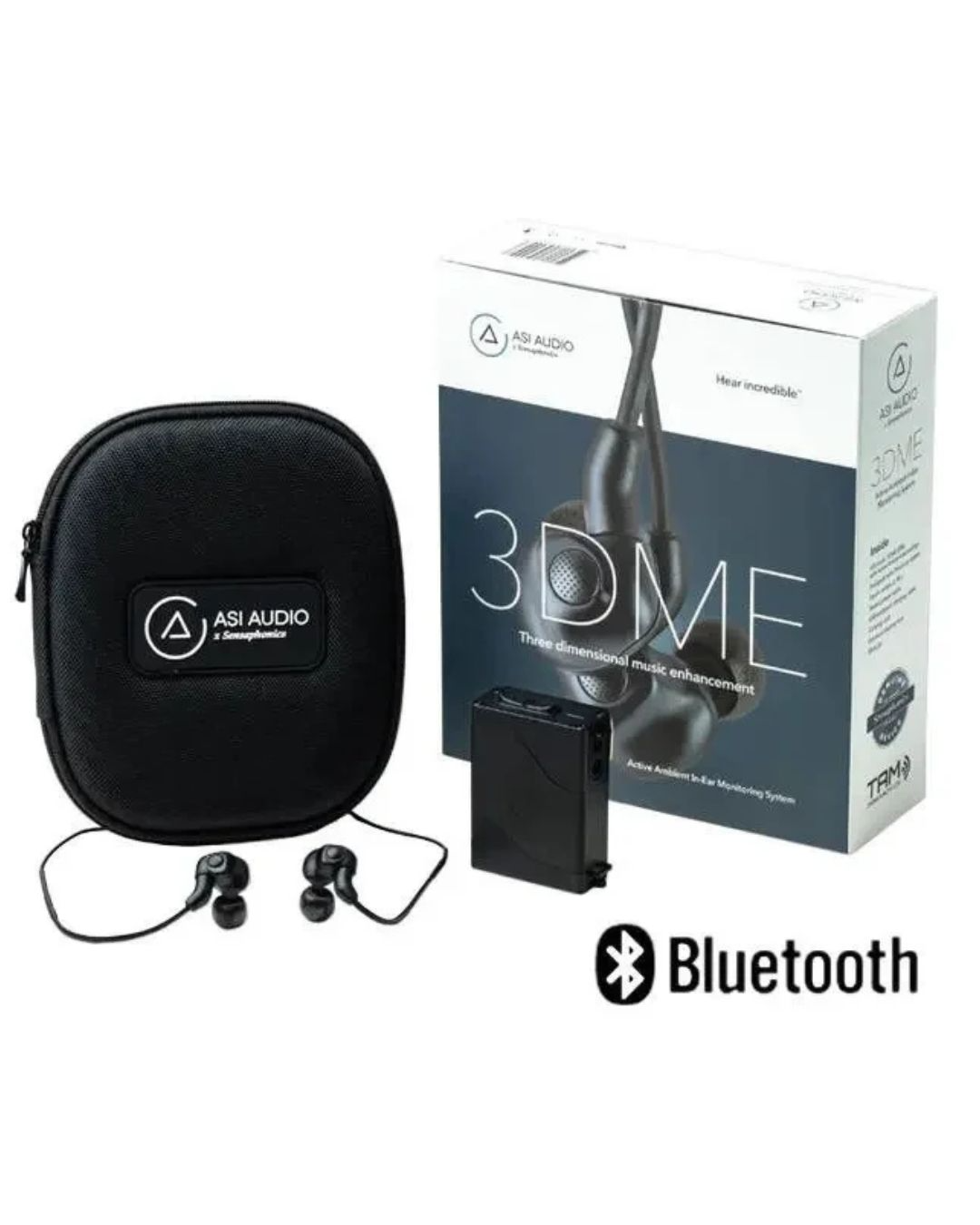
“I don't wear earplugs as much as I should! I found them incredibly helpful when I played Shostakovich's 5th, and the trumpets were right behind me. I used the foam ones because of my limited budget at the time, but I have been recommended the 3DME Active (Electronic) Hearing Protection System. Another more affordable option is Alpine MusicSafe Pro Earplugs. These have interchangeable filters, so you can adjust them to your liking.
If you have a limited budget, foam earbuds work, but I suggest buying a decent pair of earplugs if you can.”
On getting used to wearing earplugs:
Brittany:
“It's important to recognize that it takes time to get used to playing with them, but you need to put in the work. There is a bit of a learning curve to know how to interpret what you're hearing when wearing them, but overcoming that adds years to how long you'll be able to enjoy all aspects of music. Solo practice with them can really help, and to have patience in the process.
Advice on hearing protection:
Anna:
“In my opinion, any earplug is better than no earplug! If you only have those bright orange foam earplugs, that’s much better than nothing. Even AirPods or other in-ear headphones can offer some protection in a pinch. But if you are a musician, I’d highly recommend buying at least a basic pair of earplugs designed for musicians. You’ll hear better, and they’ll be more comfortable, which should convince you to wear earplugs more often. Store a pair of earplugs in your instrument case so you’re always prepared!”
Conclusion:
I hope this article has encouraged and inspired you to wear earplugs more often. Be sure to consider the context and any factors that raise your risk of hearing damage. Try a few different earplugs until you find some you like, and have patience with yourself as you get used to wearing them. This way, you can enjoy playing music for many years to come! Have a favourite earplug brand? Drop your recommendation below in the comments!
0 comments